Captain Jake Mercer made a choice he was certain would destroy his career.
During a routine flight, a passenger suddenly went into cardiac arrest. A doctor on board made it clear—waiting to reach the planned destination would mean certain death. The closest place to land was a restricted military airfield, completely off-limits to civilian pilots. When Jake requested permission to divert, air traffic control refused and ordered him to stay on course.
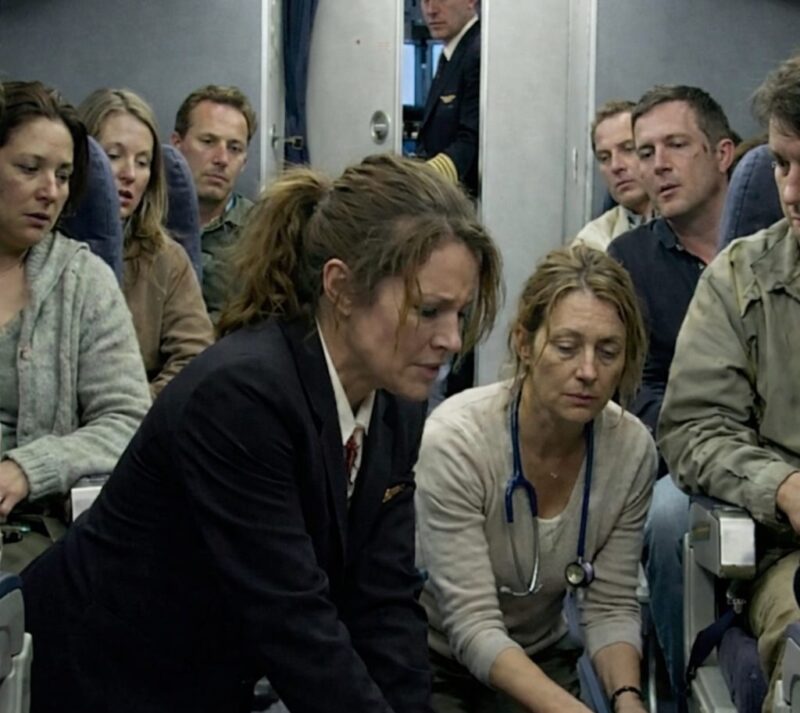
For a brief moment, he sat in silence. Then he acted.
Disregarding the command, he redirected the aircraft toward the prohibited runway.
The landing itself was flawless—steady, controlled, exactly as it should be. But the aftermath was immediate. Within hours, his license was suspended. Soon after, his job was gone. Investigations began, questions piled up, and no one offered reassurance. At home, everything he had built started to feel uncertain.
The pressure quickly spread through his family. Financial worries surfaced. Tuition payments loomed. Stability turned fragile. His children even suggested putting their own plans on hold to help. His wife did her best to stay strong, even as fear quietly settled into their daily lives.
And through it all, Jake didn’t even know if the man he tried to save had survived.
Then, without warning, everything shifted.
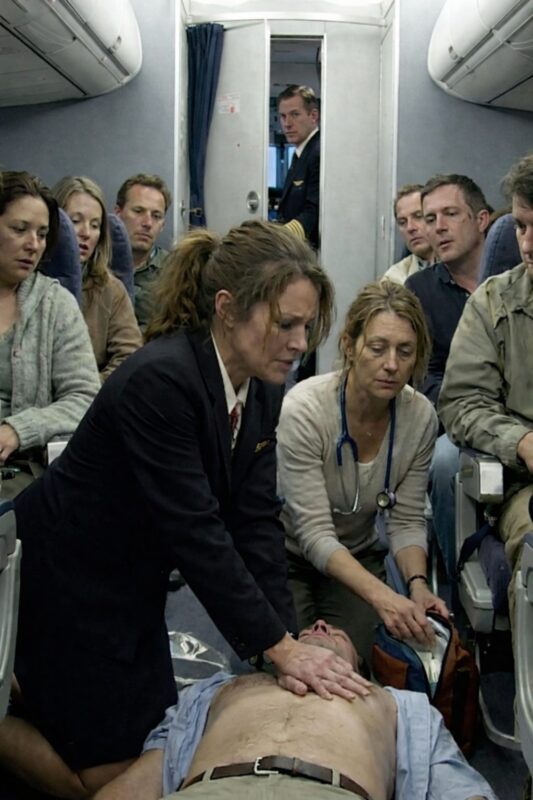
Federal agents arrived and brought him in for questioning. That was when the truth finally came out. The passenger was not who he seemed. He was a senior military figure traveling under a false identity, involved in a highly sensitive mission. His survival was not just important—it had far-reaching consequences, potentially preventing a major international crisis.
Jake’s split-second decision had protected far more than a single life.
Soon after, his record was cleared and his license reinstated. Even more unexpectedly, he was offered a new role—flying critical government missions that required not just technical skill, but sound judgment under extreme pressure.
When people later asked whether he regretted ignoring orders, his response never changed:
“I regret what my family had to go through. But I will never regret trying to save someone.”
As his story spread, opinions divided. Some criticized him for breaking protocol. Others praised him for his courage. Jake accepted neither label.
When speaking to aspiring pilots, he avoided dramatic language. Instead, he spoke about responsibility—the kind that appears when rules alone are not enough.
“Procedures exist for a reason,” he would say. “They save lives every day. But sometimes, you face a moment no checklist can fully prepare you for. When that happens, you make the most human decision you can—and you live with the consequences.”
To Jake, it was never about recognition.
It was about making a decision you can stand by—no matter what comes after.