Nine Calls That Changed Everything
There were nine of them.
Nine calls that no one answered.
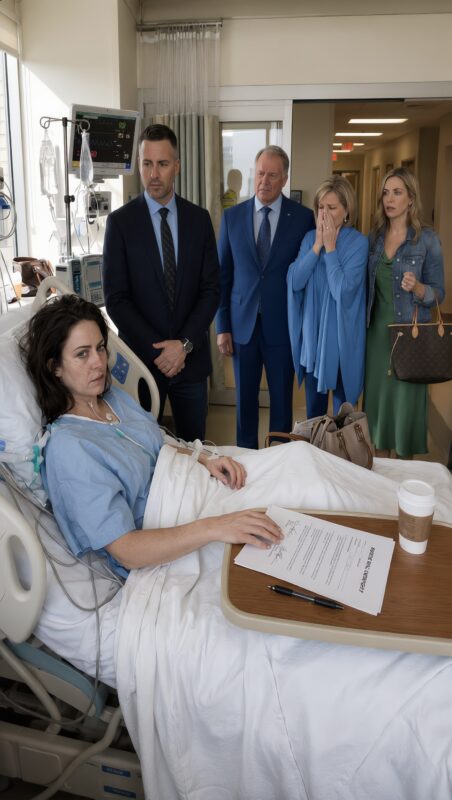
From my hospital bed, I watched the second hand crawl across the clock on the wall while I dialed my mother, my father, and our family group chat over and over again. Every attempt ended exactly the same—silence, voicemail, or a single message from Mom.
“We’re helping Lauren settle into her new place. Does it really have to be right now?”
Right now?
Less than twenty-four hours earlier, a truck had ignored a red light and crashed into my car. I had survived emergency surgery by sheer luck, lost an alarming amount of blood, and remained in critical condition. The doctors were careful with every word because they still couldn’t promise I would make a full recovery.
Yet my parents had decided that unpacking boxes with my younger sister mattered more than sitting beside my hospital bed.
That evening, Lauren filled social media with cheerful photos. Mom was arranging cushions. Dad smiled while carrying furniture through the front door. Looking at those pictures while machines monitored my heartbeat destroyed the last hope I had been holding onto—that somewhere, somehow, I still came first.
I didn’t make another call.
Instead, I asked my nurse to contact my attorney.
Julian arrived before the night was over.
Two years earlier, I had sold the medical software company I built from the ground up. The sale had earned me far more than my family could ever imagine. They knew I had done well professionally, but they had no idea they were still listed as beneficiaries of my estate.
That mistake ended immediately.
Julian placed the documents beside my bed, and together we updated everything—my will, my trust, healthcare directives, and financial authorizations. My parents were removed from every inheritance. Lauren was excluded completely. Their access to my finances disappeared, the lake house would eventually be sold, and every dollar that had once been intended for them would instead establish a charitable foundation dedicated to trauma patients and the nurses who helped them recover.
Only after the paperwork had been completed did my parents finally arrive.
Mom carried two cups of coffee.
Dad still had strips of packing tape clinging to his shirt.
“You frightened us,” Mom said softly.
I looked at her for a long moment.
“No,” I replied. “You frightened me.”
The moment they realized my attorney had already spent hours with me, their concern quickly shifted into alarm. They argued that I was too emotional to make legal decisions and claimed my condition affected my judgment.
My nurse calmly interrupted.
She reminded them that she had personally informed them that morning I was in critical condition.
Dad barely reacted.
“A family can deal with more than one crisis.”
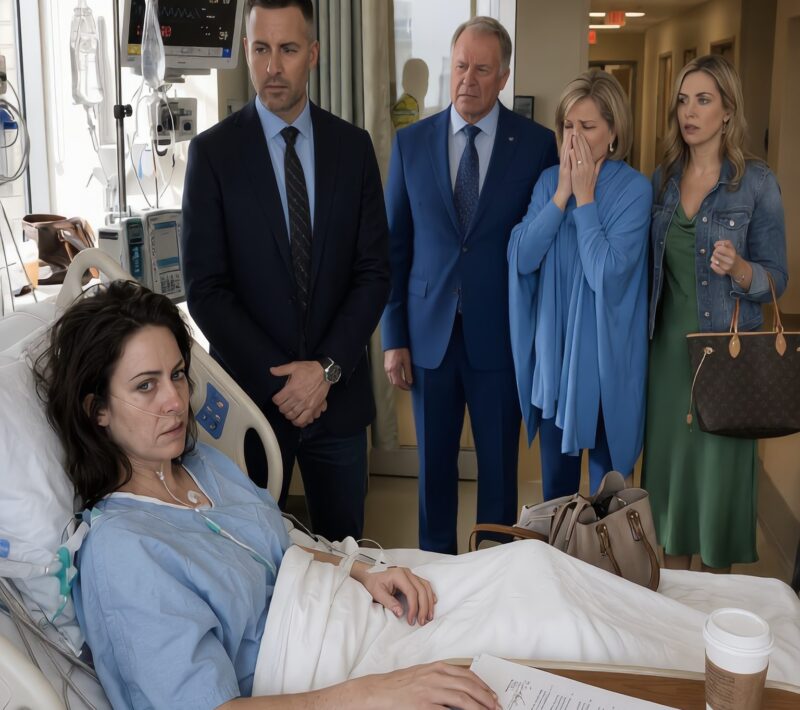
I met his eyes.
“Helping someone move isn’t a crisis.”
Lauren folded her arms.
“You always find a way to make everything about yourself.”
For years, I had accepted comments like that without defending myself.
This time was different.
I reminded them of every birthday they forgot, every graduation they skipped, every accomplishment they overlooked because Lauren always received their complete attention. Whenever I succeeded, they only remembered I existed when they needed financial help.
Then I shared something no one expected.
For seven years, I had quietly paid half of my parents’ mortgage.
I had also covered Lauren’s graduate school tuition, her legal expenses, and even the down payment on the very home they had chosen over visiting me in intensive care.
Lauren’s expression changed instantly.
She genuinely believed our parents had paid those bills themselves.
Instead, they had allowed both of us to live different versions of the same lie.
For the first time in our lives, she understood that we had each been manipulated.
Dad immediately threatened legal action.
Julian simply explained that every document had been properly signed, witnessed, and recorded according to the law.
Mom began crying.
The tears disappeared almost as quickly as they had started once she realized every form of financial support had officially ended.
It wasn’t losing me that hurt them.
It was losing everything I had provided.
When I asked for peace and quiet, hospital security escorted them from my room.
Recovery didn’t happen overnight.
It came through countless therapy sessions, additional procedures, painful rehabilitation, and long nights filled with fear.
Meanwhile, every legal challenge my parents attempted failed. Medical records, witness testimony, and even their own social media posts confirmed exactly where they had chosen to spend the day I nearly died.
Several months later, the lake house was sold.
Its proceeds established the Caldwell Patient Recovery Foundation, which now provides temporary housing, transportation assistance, and nursing scholarships for families facing medical emergencies.
At our first board meeting, my physician sat beside me. Julian reviewed the foundation’s financial reports, while the nurse who had stayed by my side joined us through a video call after receiving one of the scholarships we created.
Looking around that room, I finally understood something.
Changing my estate had never been about punishment.
It was about choosing myself.
One year after the accident, I returned to the hospital for a routine checkup.
The ICU waiting area was crowded with husbands, wives, parents, and children who refused to leave the people they loved.
That was what genuine love looked like.
As I stepped outside, my phone vibrated.
“Miranda… it’s Mom. I miss you.”
For a brief moment, old habits resurfaced. I wanted to explain everything, forgive everything, and try one last time to repair what had never truly existed.
Then I looked through the hospital windows.
A man sat quietly beside his wife’s bed, still holding her hand as she slept.
I deleted the message.
Not because I was bitter.
Because I had finally learned that protecting my own peace was just as important as saving my own life.