The Children She Saved Finally Stood Beside Her
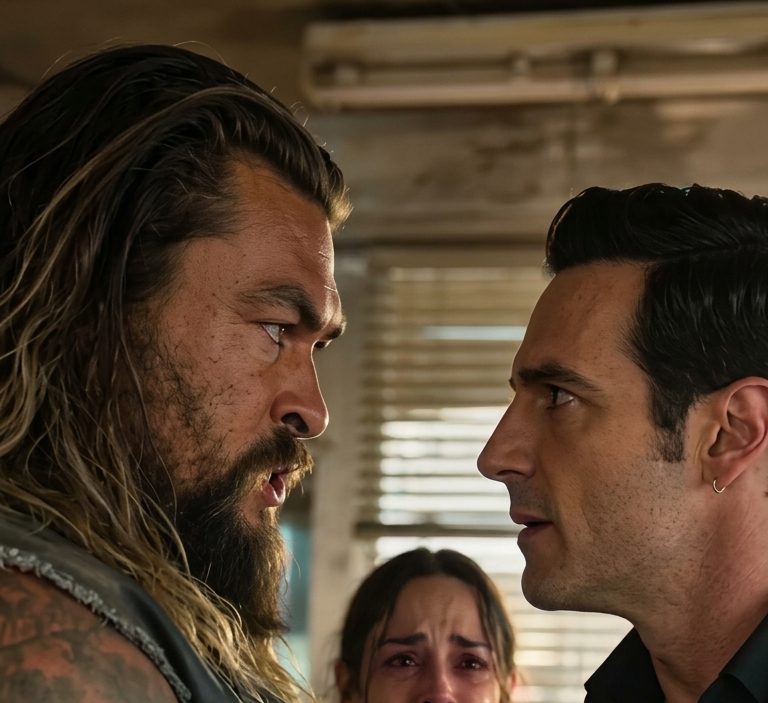
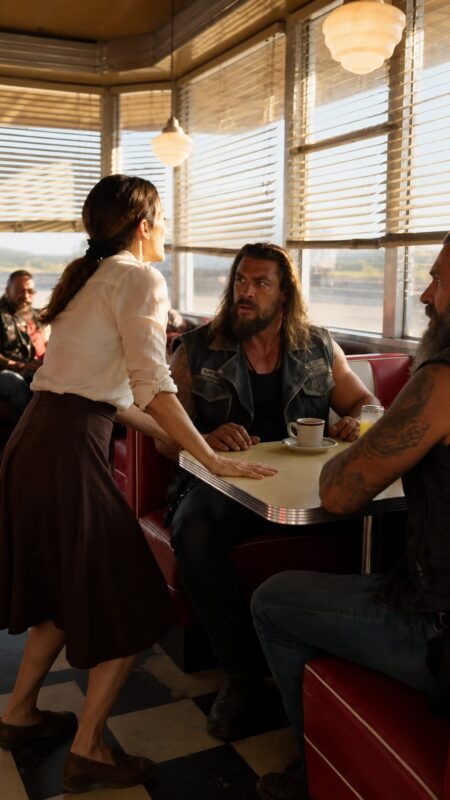
The man in the tailored suit froze the moment he saw the bikers, as though he had mistakenly entered the wrong roadside diner.
“She doesn’t belong to them,” he said sharply.
The group of bikers didn’t react.
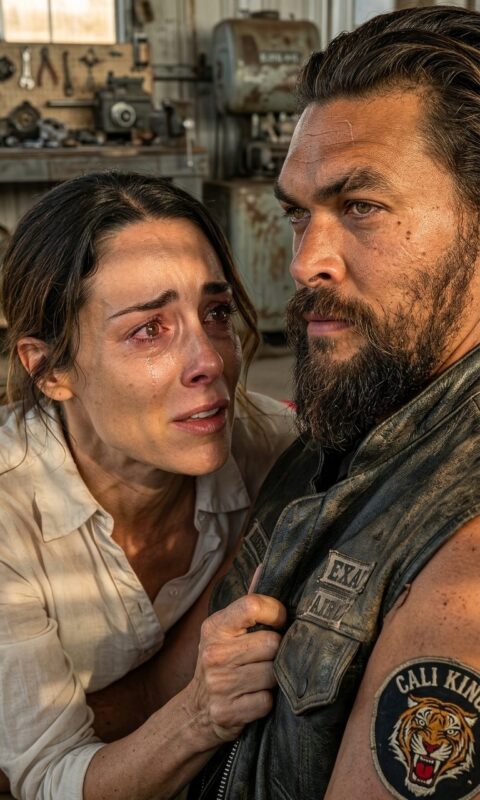
Behind them, the elderly woman shook uncontrollably, her fingers clutching the leather vest of the man in front of her as if it were the only solid thing in the room.
“She belonged to me when nobody else did,” the biker leader said in a quiet, steady voice.
The suited man frowned. “What did you say?”
The leader tilted his head slightly. His gaze softened as he looked back at her, giving her a moment of reassurance.
“I used to run a shelter on Eighth Street.”
One of the bikers stepped forward.
“She was the one who fed me when my father threw me out.”
Another raised his hand, voice heavy with memory.
“She hid me when I was running from the man who broke my ribs.”
The third spoke without looking away from the suited man.
“She called us her children long before we understood what family was.”
The woman pressed a hand to her mouth, tears slipping through the cracks of her fear.
“This is a private family issue,” the man in the suit insisted.
The biker leader took a step closer.
“No,” he said quietly. “This is where family actually shows up.”
The woman’s voice trembled as she spoke.
“He’s my nephew. He wants me to sign the house over to him.”
The man in the suit snapped, unable to hold back his anger.
“That house is mine.”
Her body flinched—and every biker in the room noticed.
The leader’s expression hardened, all warmth draining away.
“She gave that house to people like us.”
Wiping her tears with shaking hands, the woman whispered,
“This morning he locked me in my room… said no one would ever believe an old woman losing her mind.”
Silence spread through the diner like a held breath.
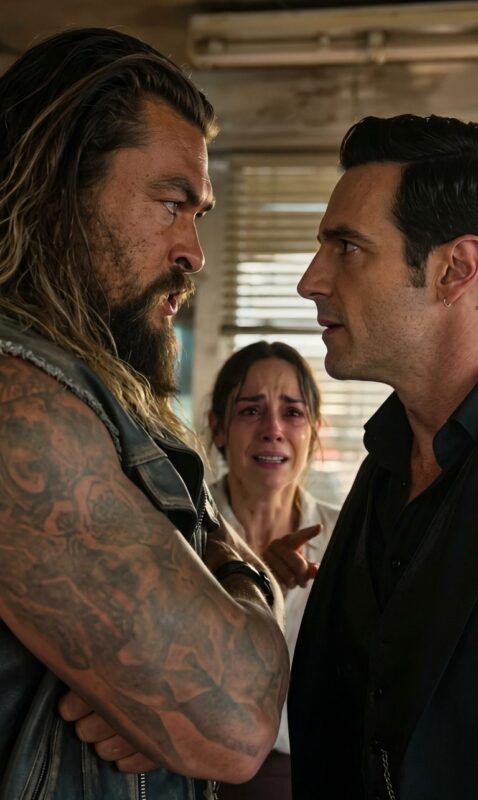
The man in the suit took a step backward, edging toward the exit.
But it was already too late.
The waitress had called the police.
The biker leader gently reached out, taking the woman’s trembling hand and guiding it onto his arm as though she were someone of great importance.
“You asked us to pretend,” he said softly.
For the first time, his voice carried emotion he had long kept buried.
“But you never needed us to.”
The woman looked up at him, shaken, overwhelmed by the weight of it all.
And he held her hand a little tighter.