When Suddenly Visible Veins May Deserve Attention
The appearance of veins that suddenly become visible or slightly swollen does not automatically indicate a medical problem. In many cases, it reflects normal physiological changes in the body. Nevertheless, understanding why veins become more noticeable can help you determine when it might be advisable to seek medical guidance.
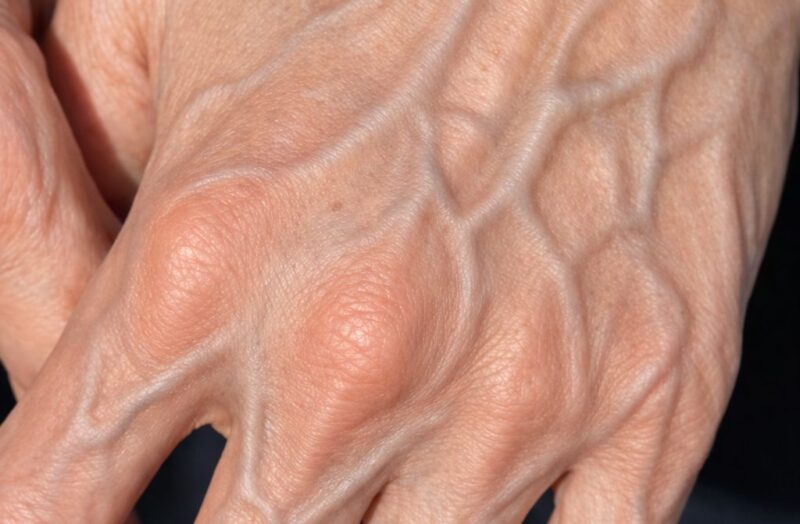
Why Veins Sometimes Become More Prominent
A variety of everyday factors can cause veins to stand out more clearly beneath the skin. Among the most common reasons are:
• Intense physical exercise that increases blood circulation
• Natural aging, which makes the skin thinner and less elastic
• Exposure to warm temperatures that expand blood vessels
• Tight clothing that restricts normal blood flow
• Genetic predisposition or naturally delicate skin
• Excess body weight placing additional pressure on veins
• Frequent sun exposure that gradually weakens skin tissue
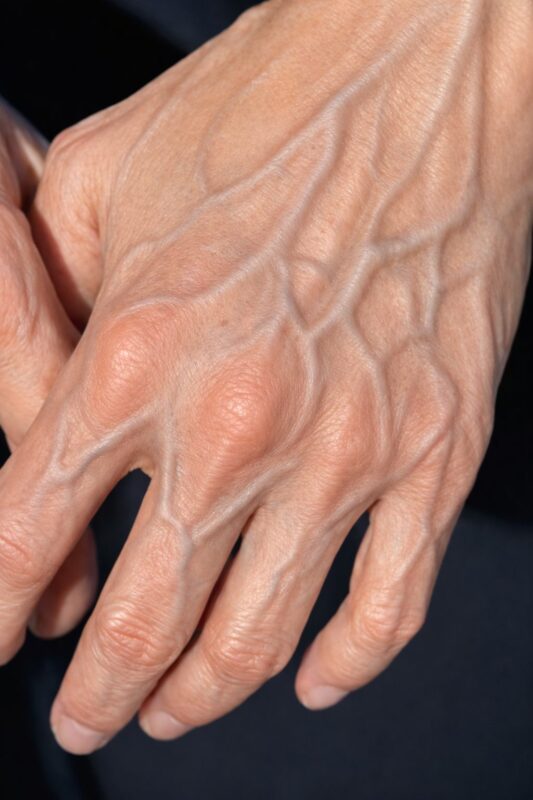
In most situations, these factors lead only to temporary and harmless changes in vein visibility.
When Visible Veins Could Signal a Health Issue
Veins are responsible for carrying blood back toward the heart. If the vein walls weaken or the internal valves fail to function properly, blood may begin to accumulate instead of circulating efficiently. This can cause veins to enlarge and twist, forming what are commonly known as **varicose veins**. They most often develop in the legs, although they may also appear in the arms or other areas.
More pronounced veins can sometimes be associated with certain health conditions, such as:
• **Phlebitis**, an inflammation of the veins that causes pain and swelling
• **Chronic venous insufficiency**, often accompanied by heaviness or aching in the legs
• **Deep vein thrombosis**, a serious condition involving the formation of blood clots
• In rare instances, vascular changes related to liver disease or other organ disorders
Warning Signs That Should Not Be Ignored
Changes in the appearance of veins may require medical attention if they are accompanied by additional symptoms, including:
• Ongoing or unexplained swelling
• Skin that feels unusually warm, sensitive, or painful
• Redness or discoloration spreading around a vein
• Newly appearing vein patterns across the chest or abdomen
If several of these signs occur together, it is advisable to consult a healthcare professional.
Situations When Medical Advice Is Recommended
You may want to seek professional evaluation if:
• Veins suddenly become highly visible without a clear reason
• Persistent pain, throbbing, or cramping develops
• The skin around the veins changes in color or texture
• You have a personal history of circulation problems or clotting disorders
• You would like reassurance or clarification about the changes you observe
A medical specialist can assess the situation and determine whether the condition requires treatment or simple lifestyle adjustments.
Key Point to Remember
More noticeable veins are often the result of natural responses to factors such as heat, physical activity, aging, or genetics. They do not always indicate illness. However, unexplained changes or persistent discomfort should not be overlooked. Paying attention to your body’s signals can help safeguard vascular health and allow potential problems to be identified at an early stage.