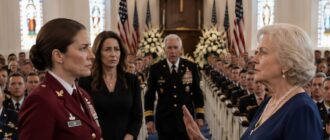
I arrived at my granddaughter’s wedding feeling proud and excited, dressed for a day I had waited years to see. But everything changed the moment I reached the entrance.
My son stepped in front of me.
“Mom… your name isn’t on the list.”
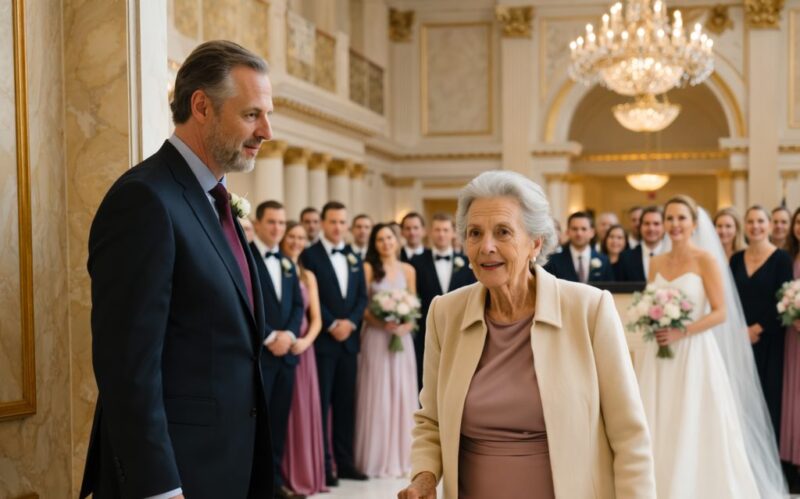
Around us, nearly two hundred guests fell silent, their eyes fixed on the scene. I felt the weight of their attention, but I kept my composure.
“It’s fine,” I said quietly.
Then I turned around and walked away.
That night, I made a phone call that would change everything.
My name is Denise Parker. I am seventy-two years old, a widow, and until that evening, I still believed that love—if given wholeheartedly—would eventually come back to you.
What my son and his wife failed to remember was simple: I was the one who paid for that wedding.
For months, they visited me with gentle voices and carefully chosen words, talking about how much Clara deserved the perfect day. I trusted them. I gave freely—my time, my care, and more than a hundred thousand dollars from the savings my late husband left behind.
Every elegant detail of that celebration existed because of me. The venue, the decorations, the catering—it all carried my signature in one way or another.
When I arrived that afternoon, everything looked exactly as they had promised. The estate was breathtaking, the guests were impressed, and I walked forward believing I belonged at the heart of it all.
But when I reached my son, I saw nothing but distance in his eyes.
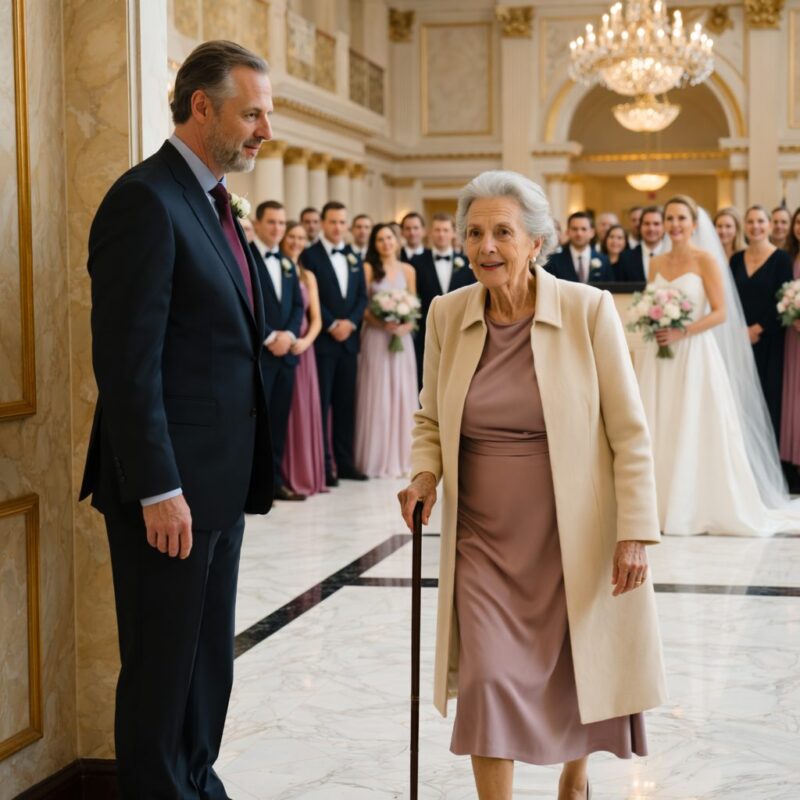
“What are you doing here?” he asked.
At first, I thought he was joking.
Then he checked the list and said, loud enough for others to hear, “You’re not invited.”
In that moment, I understood everything.
No one defended me. No one spoke up. I stood there alone, reduced to an outsider at a celebration I had made possible.
So I lifted my chin, adjusted my necklace, and walked away with the only thing they couldn’t take—my dignity.
That evening, I didn’t cry.
Instead, I opened my records. Every receipt, every transfer, every agreement—proof of what I had built and given. Then I called my lawyer.
By morning, the truth was undeniable: I hadn’t been treated like family. I had been treated like a source of money.
And I decided that would end.
The apartment they lived in? It belonged to me.
The car he drove? Mine as well.
The monthly support I provided? Over.
I cut it all off.
I filed for eviction—thirty days.
When they returned from their honeymoon, they didn’t come back to comfort. They came back to consequences. Their accounts stopped working. Their home was no longer theirs. The life they depended on disappeared overnight.
They called me—not to apologize, but to ask why the money had stopped.
I chose silence.
When they finally confronted me in person, angry and desperate, I didn’t waver.
“You shut me out of the wedding,” I told them calmly. “Now I’ve removed you from the life you were living at my expense.”
They argued, threatened, tried to manipulate the situation—but they had forgotten who I truly was.
I had built businesses. I had managed wealth. I had survived loss and rebuilt my life more than once. I was never weak—I was simply generous.
Within a month, they handed over the keys. No apology. No accountability.
Just the end of their illusion.
And for the first time in years, I felt a sense of peace.
I sold the apartment, reinvested the money wisely, and began building a life that belonged entirely to me. I learned new skills, explored new interests, and finally gave myself the attention I had spent years giving others.
Later, my granddaughter came back—changed, humbled, and broken by the same truth I had discovered: relationships built on comfort and money don’t last.
I welcomed her in, but differently this time. I didn’t give her money—I gave her structure, support, and the chance to stand on her own.
Today, I manage my finances, my properties, and my future with clarity and confidence. I live well, I rest peacefully, and I no longer allow anyone to mistake my kindness for weakness.
When I think back to that evening—the music, the lights, the moment I was turned away—I don’t feel pain anymore.
I feel grateful.
Because that was the moment I stopped being taken for granted…
and finally chose myself.