My Doctors Said I Had Only Days Left. My Wife Thought My Death Was Her Beginning.
The cardiologist didn’t try to soften the diagnosis.
“My best estimate is less than a week.”
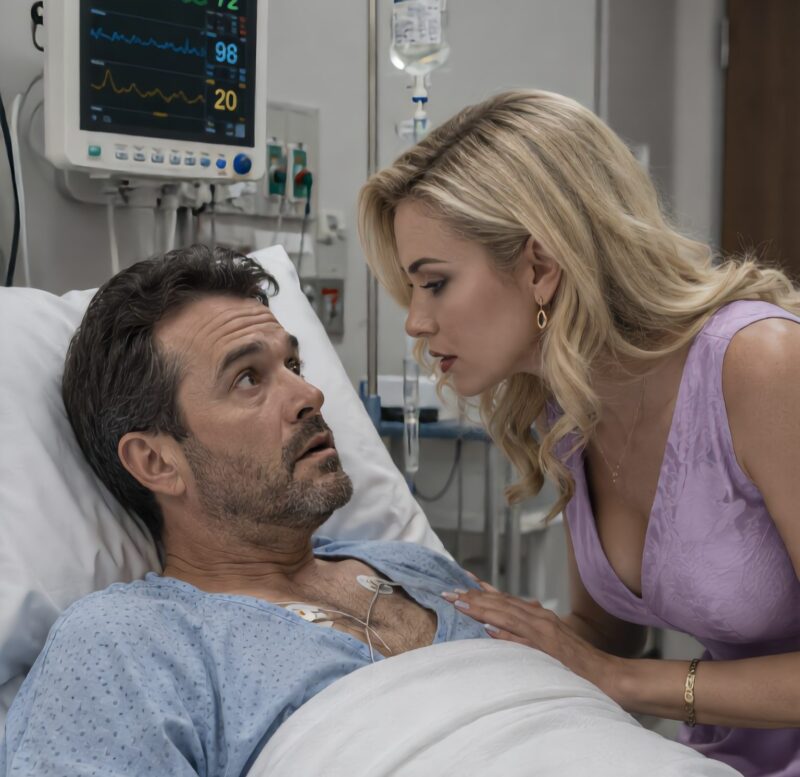
As I stared at the monitor beside my bed, I began preparing myself for final conversations, unfinished business, and the possibility that I would never leave the hospital alive.
I believed death was the tragedy waiting for me.
Instead, betrayal arrived first.
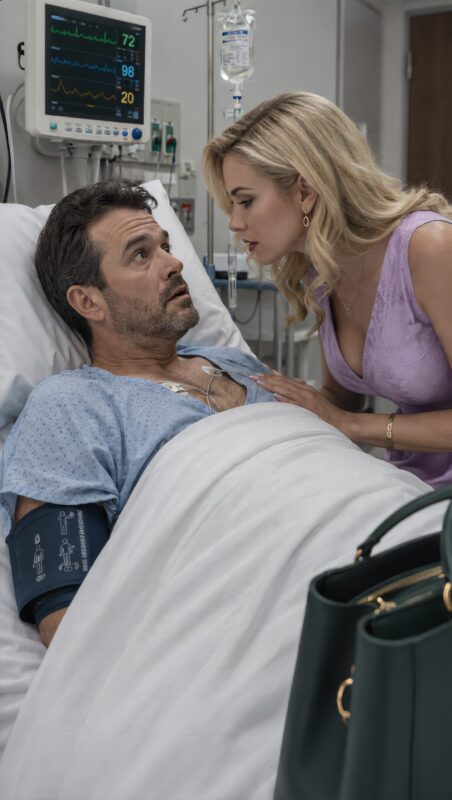
Late that evening, after the hallway had gone quiet and the last nurse closed the door, my wife approached my bedside with an expression that didn’t belong in a hospital room.
She wasn’t grieving.
She was relieved.
“I don’t have to pretend much longer,” she said calmly. “When you’re gone, everything becomes mine. Eighty-two million dollars… and then Julian and I can finally disappear and live the life we’ve been planning.”
I thought I had misunderstood.
Then she smiled.
“The supplements I gave you every morning?” she continued. “They were never meant to make you stronger.”
Every tablet, every capsule, every reassuring smile had been part of the same carefully planned deception. While friends praised her endless devotion, she had been quietly helping my heart fail.
I couldn’t even lift my head.
But I listened.
And I remembered.
The next sunrise marked the beginning of her downfall.
I contacted my attorney before speaking to anyone else. Soon my hospital room was filled with legal witnesses, an independent physician, and a certified court reporter. After doctors confirmed I was mentally competent, I canceled my existing will and placed my testimony on the official record, including every word my wife had confessed the night before.
My new beneficiary shocked everyone involved.
I left my estate to Caleb Miller, a young hospital orderly who spent nearly every waking hour working overtime so his teenage sister, Mia, could receive the operation that might save her life.
People questioned my decision.
I never questioned it.
One person had sacrificed everything for another.
The other had sacrificed another person for everything.
Caleb repeatedly tried to refuse the inheritance. He insisted someone else deserved it more.
That answer convinced me I had made the right choice.
Greedy people rarely decline wealth.
Good people often do.
Meanwhile, Vanessa and Julian were already making plans. They celebrated expensive homes, luxury vacations, and a future funded by money they believed would soon belong to them.
Neither realized they had already inherited nothing.
Neither realized detectives had begun examining every bottle of medication that had passed through my wife’s hands.
Their dream was quietly becoming a criminal investigation.
Laboratory testing eventually revealed toxic compounds capable of causing progressive heart damage. Investigators also uncovered encrypted conversations detailing insurance benefits, property transfers, financial timelines, and discussions about life after my funeral.
Their plans ended with handcuffs instead of house keys.
Doctors admitted they couldn’t erase months of damage.
Yet something unexpected happened.
Without continued poisoning, my condition slowly improved. Week after week, my strength returned. The patient expected to die became the patient nobody could explain.
When prosecutors later asked whether I wanted severe punishment, I answered with surprising calm.
“I don’t need revenge. Facts are enough.”
The courtroom agreed.
Vanessa was convicted on multiple felony charges, including attempted murder conspiracy, fraud, and financial exploitation. Julian was sentenced for helping execute the scheme they believed would make them wealthy.
Neither touched a cent of the fortune they had been counting on.
Instead, that money began saving lives.
Caleb established a charitable foundation dedicated to families overwhelmed by medical expenses. Mia became the organization’s first success story after receiving the surgery she desperately needed. Over time, the foundation financed children’s treatments, provided scholarships for future nurses and physicians, supported hospice programs, and created emergency funds for elderly people abandoned by relatives.
I rarely accepted invitations to ceremonies or interviews.
Watching another child return home healthy meant far more than hearing applause.
One year after doctors predicted I wouldn’t survive, I walked through the same hospital entrance where my life had nearly ended.
Caleb walked beside me.
So did Mia.
Looking around those familiar corridors, I realized survival wasn’t my greatest blessing.
Being given the chance to transform betrayal into hope was.
Money can purchase comfort.
It cannot purchase character.
In the end, my greatest investment wasn’t the fortune I accumulated.
It was the strangers who became family because compassion mattered more than inheritance.