Five Days After My Daughter’s Funeral
That morning, Ava was exactly herself. She sat at the kitchen counter in pink pajamas, cradling her stuffed rabbit, chatting softly while I rushed through breakfast and checked my phone between bites.
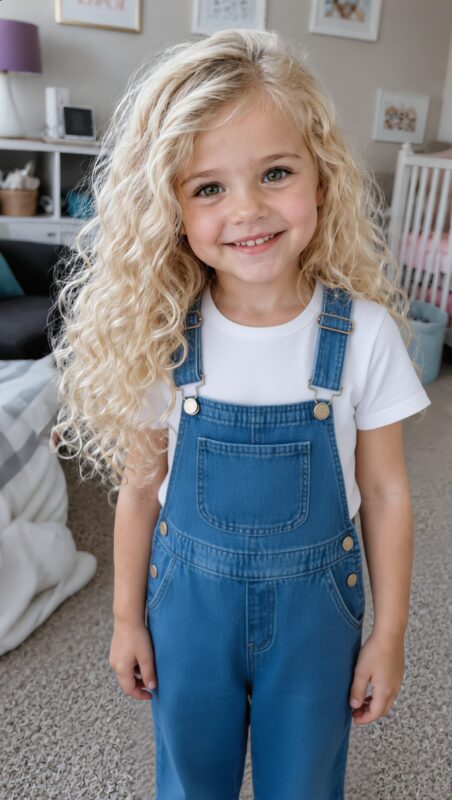
My husband, Mark, said he could take her to daycare since I had an urgent meeting. I hesitated for a moment, but he insisted it was their normal routine. Ava was excited, so I leaned down, kissed her goodbye, and let her go.
It was the last time I ever saw her.
A few hours later, my phone rang. It was her daycare teacher. Ava had suddenly fallen critically ill and had been taken to the hospital. Panic took over as I drove there—only to find Mark already inside, waiting.
The doctor’s explanation shattered everything I thought I understood: a severe allergic reaction. Despite all efforts, they couldn’t bring her back.
But nothing about it made sense. She had been completely fine that morning.
After that, the days blurred together. Mark handled everything—the arrangements, the documents, the calls, the quiet condolences from others. I moved through it numb, unable to think clearly, while he seemed to take control of everything that might overwhelm me.
Still, something inside me refused to settle.
When I asked whether Ava might have eaten something unusual, Mark shut the idea down too quickly. Almost instinctively. I told myself it was grief distorting my judgment.
Then, five days after the funeral, everything fractured.
Ava’s teacher called again, her voice strained. She said she had gone back through the daycare security footage and needed me to see it immediately. Before sending it, she gave me a warning I didn’t expect: *“Your husband isn’t being honest with you.”*
Seconds later, the video arrived.
At first, it looked like any other morning—Mark dropping Ava off, nothing unusual. Then a woman appeared in frame. Tall, brunette, unfamiliar to me. She handed Ava a bottled drink with a gentle smile, then touched Mark’s arm with an ease that felt too familiar.
Something in me dropped instantly.
I knew who she was. Lauren. Mark’s colleague.
The footage continued—Mark and Lauren leaving together after drop-off. I replayed it again and again, my hands shaking, as memories I had dismissed began rearranging themselves: unexplained late nights, his phone always face-down, answers that never fully answered anything.
I called the teacher back. She told me Ava had seemed comfortable with the woman, as if she had met her before.
That night, when Mark returned home, I confronted him.
At first, he tried to avoid it. To redirect, to soften, to deny. But under pressure, the truth finally came out.
He had been involved with Lauren for months. That morning, she had gone with him to daycare and given Ava a smoothie.
A strawberry-banana smoothie.
The words hit me slowly, like something falling into place too late.
Ava had a severe dairy allergy.
Mark hadn’t checked. Lauren hadn’t known. And Ava had drunk it without anyone realizing the risk.
It wasn’t fate. It wasn’t an unexplained tragedy.
It was failure.
Mark collapsed under the weight of it, repeating that he never meant for anything to happen. But intention didn’t change outcome.
The next morning, I confirmed it myself. The café verified the drink contained dairy. There was no ambiguity left to hide behind.
Lauren later claimed she had no knowledge of Ava’s allergy. I believed she was sincere—but the responsibility still circled back to Mark, the person who should have protected her.
In the end, everything unraveled into something painfully ordinary: secrecy, distraction, and choices made without care for consequences.
Mark hadn’t just betrayed our marriage. He had failed in the one responsibility that mattered most.
Our separation happened quietly. No arguments could undo what was already irreversible.
I lost my daughter. I lost the life I believed I had.
And all that remained was the truth—and the long, difficult process of learning how to exist with it.