For 28 Days, My Family Left Me Alone in Intensive Care. Weeks Later, They Demanded My $2.8 Million Home for My Brother—but They Had No Idea What I Owned…
Not one member of my family came to see me during the four weeks I spent in intensive care. However, when my younger brother needed a bigger house, they suddenly decided that family loyalty was important.
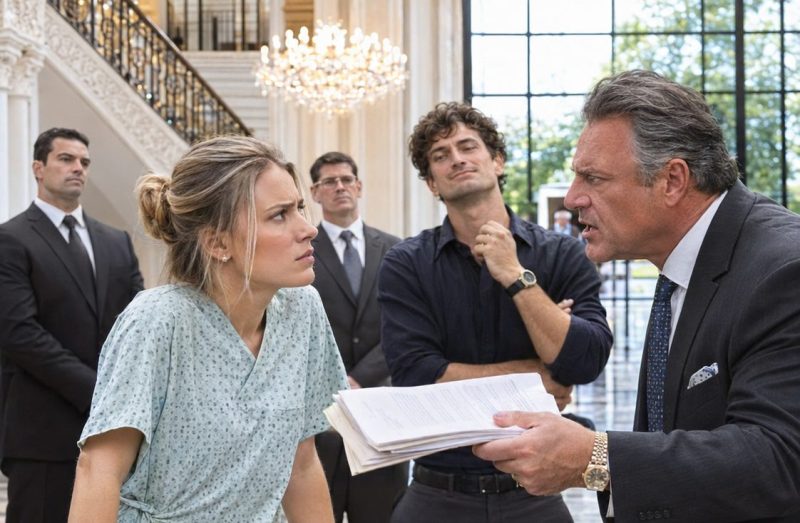
I’m Emily Bennett, a thirty-five-year-old commercial property attorney living in Connecticut. Throughout my childhood, my parents had made it clear that my brother’s happiness mattered more than mine.
A serious collision caused by an intoxicated driver nearly ended my life. I underwent three emergency surgeries and faced a difficult recovery.
When a hospital employee contacted my mother, her response was remarkably dismissive.
“Emily always makes everything sound worse than it is. Don’t bother us unless it’s serious.”
My father ignored the hospital’s messages, and my younger brother, Kaelan, continued enjoying his vacation in Miami.
When I regained consciousness, the first familiar face I saw belonged to my best friend, Olivia.
“They’ve been informed about your condition,” she explained softly.
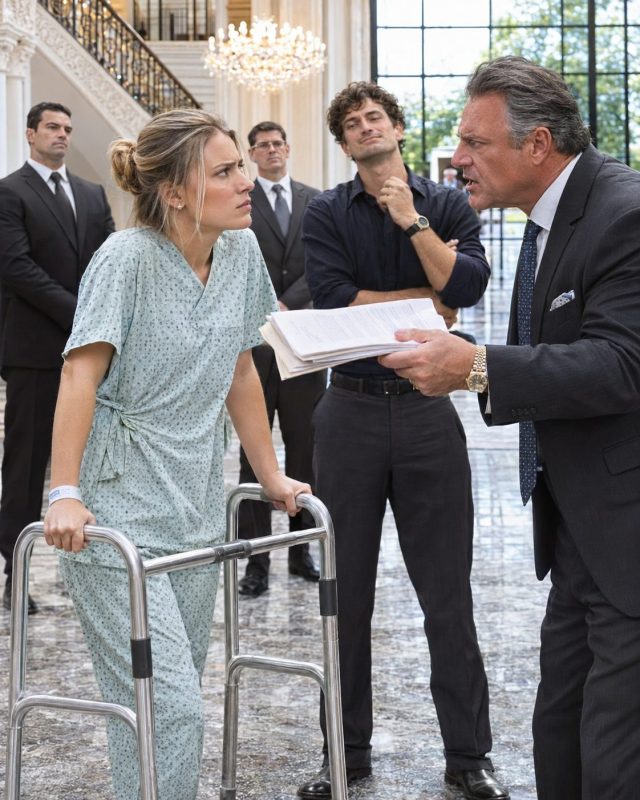
Twenty-eight days after the accident, I finally returned home. I needed a walker and assistance with everyday activities. Olivia took care of groceries, helped maintain my house, and encouraged me throughout my rehabilitation.
My relatives remained absent.
Then, a month later, my mother sent me an unexpected message.
“Madison is pregnant. Kaelan needs more room, and you’re living alone in a six-bedroom house. We expect you to transfer the property to him today.”
There was no inquiry about my recovery. Not even a simple greeting.
I responded with a photograph of a brightly colored children’s tent.
“There’s his new accommodation.”
Then I blocked her number.
Three hours later, my father appeared in my driveway with two lawyers.
He looked briefly at my walker before presenting me with a folder.
“Your brother needs a proper home for his family. Sign here.”
I invited them inside.
“Before anyone signs anything, there are a few introductions to make.”
My corporate lawyer, Rebecca Shaw, was waiting in the living room alongside a court reporter and financial investigator Daniel Price.
Dad’s irritation was obvious.
“What’s the meaning of this?”
“I’m protecting my legal interests.”
Rebecca explained that she represented Bennett Property Holdings, the investment company that held the mortgage on his struggling commercial property.
My father looked puzzled.
“Why would Emily be involved with that company?”
Rebecca answered without hesitation.
“Because she owns it.”
The color drained from his face.
For twelve years, I had been building a successful real estate investment enterprise. My family had never shown enough interest in my career to discover how successful it had become.
Rebecca reviewed the papers he expected me to sign.
They included a property transfer deed and a declaration falsely stating that I had willingly agreed to give my house to Kaelan.
Daniel then placed another document on the table.
It was a fraudulent power of attorney someone had attempted to use to access my investment accounts while I was hospitalized.
The signature was forged, and the mailing address belonged to my father.
“I was looking after the family’s wealth!” Dad exclaimed.
“You were interfering with property that belongs exclusively to me.”
Before he could respond, his phone rang.
Kaelan’s impatient voice was audible.
“Did she sign? The moving company is booked for Friday. She can stay in a spare bedroom until she finds somewhere else.”
One of Dad’s attorneys immediately stood up.
“You explicitly told us that Emily had consented to this arrangement.”
Rebecca produced a statement detailing my father’s overdue commercial mortgage balance of approximately $3.4 million.
“You were so determined to claim my house,” I remarked, “that you never bothered to find out who held the mortgage on your own property.”
Dad stared at me furiously.
“Would you really put your own father in this position?”
“Did you ever ask yourself that question while I was in intensive care?”
Friday arrived, and so did Kaelan, his pregnant wife, Madison, and a moving truck.
My brother announced that he was ready to move into his new home.
The police officers who responded informed him that he had no legal grounds to occupy the property.
Madison looked utterly bewildered.
“You said your sister had agreed to give us the house!”
Kaelan remained silent.
Meanwhile, Rebecca turned over the evidence of suspected financial fraud to the appropriate authorities.
My company nevertheless offered Dad an opportunity to renegotiate his overdue mortgage on reasonable terms.
His pride prevented him from accepting.
“I won’t have my daughter telling me how to manage my affairs!”
Following the necessary legal procedures, foreclosure proceedings commenced.
Eventually, Dad lost his business, Kaelan was left without his management job, and my parents had to sell their luxurious residence.
My father subsequently pleaded guilty to a forgery-related offense and received probation along with an obligation to pay restitution.
Six months later, my mother finally reached out.
“We have nothing left, Emily.”
“You were prepared to leave me with nothing, too.”
“How can you forget that we’re your family?”
“I haven’t forgotten. I’ve simply learned that family should offer support, not demand unconditional sacrifice.”
A year after the accident, I had completed my recovery and launched a charitable initiative dedicated to helping patients who lacked family support during rehabilitation.
Olivia became its executive director.
Together, we created something meaningful from one of the most difficult experiences of my life.
I never considered my family’s misfortune a victory. My greatest achievement was no longer feeling obligated to rescue people who refused to respect me.
For decades, I had confused love with obedience, loyalty with self-sacrifice, and kindness with surrender.
The accident taught me how precious life truly was. Everything that followed taught me the importance of living it on my own terms.
The greatest thing I recovered wasn’t my health or my independence.
It was the freedom to recognize my own worth without needing my family’s approval.