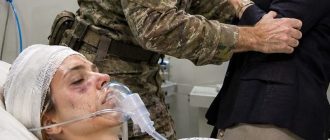
My Family Flew to Cancun While I Faced Kidney Surgery Alone. Three Days Later, Dad Called the Hospital Demanding My Room Number—But the Nurse’s Response Changed Everything.
“I’m having surgery on Thursday. Is there any chance someone could take me home afterward?”

I never imagined that one message would change my entire relationship with my family.
I’d sent it to our group chat after learning that doctors needed to remove a suspicious growth from my kidney.
I wasn’t asking anyone to pay my medical bills, cancel their jobs, or stay at the hospital for days.
I simply needed a ride.
My sister Kayla responded within seconds.
“Emma, we’re going to Cancun! Not everything revolves around you. Figure something out.”
Mom followed with a message about how I always made situations more dramatic than necessary.
Dad didn’t write anything.
He just liked Kayla’s response.
I stared at my phone, wondering how people I’d spent years supporting could dismiss me so easily.
I’m Emma Haron, thirty-four, and for most of my adult life, I had been the person my family called whenever something went wrong.
My father’s electrical contracting company was practically my second home.
I handled complicated projects, resolved emergencies, dealt with demanding clients, and regularly sacrificed my personal time to protect his business.
Dad owned Haron Electric, but my professional qualifications made some of its most valuable contracts possible.
I held a master electrician’s license, and the company depended on my expertise to meet technical and regulatory requirements.
Whenever Dad needed me, I showed up.
Now, with a frightening medical procedure approaching, I discovered that nobody intended to do the same for me.
That night, Dad finally sent a message.
“Westbridge needs those approval documents before Thursday. Don’t forget.”
I reread it twice.
He remembered a business deadline.
He couldn’t remember that Thursday was my surgery day.
The Westbridge project was worth almost four million dollars. Dad had spent months negotiating the deal, and he constantly reminded everyone how important it was.
But something about the revised paperwork troubled me.
The latest electrical plans included changes to emergency equipment and inspection procedures that raised serious safety concerns.
Approving them without proper review could put future occupants at risk.
I refused to authorize the documents.
Dad appeared at my front door less than an hour later.
“Are you deliberately trying to destroy this company?” he demanded.
“I’m refusing to approve work that hasn’t been properly verified,” I replied.
“We could lose millions!”
“And people could lose their safety if those systems fail.”
His expression hardened.
“After everything I’ve done for you, this is how you repay me?”
That familiar accusation used to work.
I’d spent years apologizing whenever I disagreed with him.
But something had changed.
Maybe it was the surgery. Maybe it was the realization that my family could leave for a tropical vacation while I worried about cancer.
Whatever the reason, I no longer wanted to surrender.
“I won’t sign, Dad.”

He continued arguing.
I opened the door and asked him to leave.
Then, before I could change my mind, I closed it behind him.
That evening, I secured my licensing account, changed its passwords, and sent written instructions to Haron Electric prohibiting anyone from using my credentials without authorization.
It felt strange to protect myself from my own father’s company.
But it also felt necessary.
With the business issue temporarily handled, I still needed someone to help me after surgery.
I contacted Ruth Bennett.
Ruth had supervised my apprenticeship years earlier. She was demanding, fair, and one of the few people who had always respected my professional judgment.
When she answered, I tried to explain everything without sounding upset.
“The doctors found something on my kidney,” I said. “I have surgery Thursday, and I don’t have anyone to drive me home.”
Ruth was quiet for a moment.
Then she asked, “What time should I be at your house?”
No interrogation.
No lecture.
No reminder that she had her own responsibilities.
She simply wanted to know when I needed her.
I started crying before I could thank her.
On Thursday morning, Ruth arrived early with coffee for herself and a reassuring voice for me.
She drove me to the hospital, waited during the procedure, and remained there until I was awake.
The first thing I remember afterward was seeing her sitting beside my bed.
“The doctors removed the mass,” she told me. “They said the surgery went well. Now we’re waiting for the test results.”
I was relieved, frightened, and exhausted all at once.
But I wasn’t alone.
While I recovered, my father began calling the hospital.
At first, the nurses assumed he was concerned about my condition.
Then he repeatedly demanded my room number.
One nurse asked whether he was authorized to receive my medical information.
“I’m her father!” he snapped.
“I understand, sir. But is your name on the patient’s approved contact list?”
He insisted that being my parent should be enough.
The nurse calmly explained that it wasn’t.
I’d updated my emergency contact information before the operation.
Ruth was listed.
Dad wasn’t.
For the first time, my father couldn’t simply demand access to my life.
He eventually came to the hospital anyway.
Ruth met him outside my room and explained that I needed rest.
Instead of asking about my recovery, he started talking about Westbridge.
He complained about delays, missing signatures, and clients who were losing patience.
According to Ruth, he spent nearly two hours discussing the company’s problems.
He never once asked how I was feeling.
By the next morning, I thought the situation couldn’t become more disappointing.
Then I received a security notification.
Someone had attempted to access my professional licensing account during my operation.
The login attempt had failed because I’d recently changed my password.
Further review suggested that the person had intended to submit electrical approval documents using my identity.
I stared at the alert in disbelief.
While I was unconscious in surgery, someone had apparently tried to use my credentials without permission.
Ruth helped me gather the records and contact a lawyer.
My attorney immediately advised me to preserve every notification, message, and relevant company document.
As we examined Haron Electric’s records, he noticed an old agreement that had never been disclosed to me.
It was signed by my grandfather eleven years earlier.
Grandpa had helped establish the business and had always encouraged my interest in electrical engineering.
Before his death, he arranged for me to receive a minority ownership interest in Haron Electric.
The agreement had been signed and properly recorded.
Yet my father had never mentioned it.
For more than a decade, I’d worked under the assumption that Dad controlled every part of the company.
He had allowed me to believe my position depended entirely on his approval.
But I wasn’t simply his employee.
I had ownership rights.
My attorney also discovered a letter Grandpa had written for me.
The envelope was yellowed with age, but I recognized his handwriting immediately.
“Emma,” it began, “never mistake someone’s dependence on you for genuine respect. Your abilities are valuable, but your character is worth even more. Don’t let anyone make you feel guilty for doing what you know is right.”
I couldn’t finish reading without tears.
Grandpa had understood the pressure I was living under long before I recognized it myself.
He knew how easily loyalty could become an obligation that consumed everything else.
And he had tried to give me a way out.
My family returned from Cancun earlier than planned.
By then, my attorney had assembled the relevant documents and requested a formal meeting.
Dad arrived visibly annoyed.
He assumed we were there to discuss Westbridge.
Instead, my lawyer placed the ownership agreement in front of him.
Dad went silent.
When asked directly, he admitted that he had known about the arrangement all along.
He claimed he had kept it secret to avoid complications within the family business.
But the truth became clearer as the meeting continued.
He had been afraid that if I knew about my stake, I might demand a voice in decisions he wanted to control.
Then my attorney raised the unauthorized licensing activity.
Technical records connected the attempted access to equipment associated with Dad’s office.
The incident was reported to the licensing authorities for investigation.
The Westbridge developers also learned about the disputed electrical revisions.
After conducting their own review, they rejected the proposed changes and ended Haron Electric’s contract.
Dad was furious.
He accused me of costing the company its biggest opportunity.
But I reminded him that I hadn’t designed the questionable changes or tried to bypass the approval process.
I had simply refused to put my name on something I couldn’t defend professionally.
Over the following months, my attorney helped confirm my ownership rights and negotiate a settlement.
Once the agreement was finalized, I resigned from Haron Electric.
I walked out of the office carrying a small box of personal belongings.
For the first time in years, I didn’t feel guilty about leaving.
I felt free.
But one uncertainty still hung over my future.
The pathology results from my surgery had arrived.
My surgeon explained that the removed growth was cancerous.
Hearing the diagnosis frightened me more than I expected.
Then she explained the encouraging part.
The tumor had been removed completely, with clear surgical margins, and the available examinations showed no signs of spread.
I would need regular follow-up examinations, but immediate additional treatment wasn’t considered necessary.
Ruth was beside me when I received the news.
I held the appointment papers in my hands and cried with relief.
For weeks, I’d been so busy dealing with my family and the business that I’d barely allowed myself to process my own fear.
Now I finally could.
Recovery wasn’t instant.
There were appointments, fatigue, difficult conversations, and moments when I worried about what the future might bring.
But slowly, I began to feel like myself again.
Mom eventually called and apologized.
She admitted that the vacation had seemed more important to her than understanding how frightened I was.
Kayla also apologized, acknowledging how cruel her response in the group chat had been.
I appreciated their words, but I didn’t pretend everything was instantly repaired.
Dad took longer.
For several weeks, he barely communicated with me.
When he finally agreed to meet, he admitted something I’d already begun to suspect.
He had concealed my ownership because he didn’t want to lose control of the company.
He had built his identity around being the person who made every decision.
Recognizing my independence frightened him.
His explanation didn’t excuse what he’d done.
But it helped me understand why our relationship had become so unhealthy.
I decided not to spend the rest of my life waiting for him to become the father I had needed.
Instead, I focused on the future.
Using my settlement and years of experience, I founded Steady Hand Electrical.
It was a small consulting firm devoted to independent electrical inspections, safety assessments, and compliance reviews.
I established one rule from the beginning.
No contract was worth compromising safety or professional integrity.
Our first major assignment came from a community medical clinic that was renovating its facilities.
The project wasn’t worth millions.
It didn’t come with prestigious headlines or enormous bonuses.
But I knew the work would help protect patients, nurses, and doctors who depended on reliable electrical systems.
That mattered more to me than any commission.
When I signed the final agreement, I felt something I hadn’t experienced in years.
Pride without anxiety.
Success without guilt.
A sense that my work finally represented my own values.
Months passed.
As Christmas approached, I found myself thinking about my family.
We had spoken occasionally, and our conversations were becoming less defensive.
Nothing was perfect, but there were signs of change.
I decided to invite them to dinner.
Dad arrived carrying an old wooden toolbox.
It had belonged to Grandpa.
The scratched handle and faded lettering brought back childhood memories of watching him work in his garage.
Dad placed it carefully on the dining table.
“Your grandfather wanted you to have this,” he said.
Inside were several familiar tools and a folded letter.
The envelope was addressed to Dad.
He explained that he’d discovered it among Grandpa’s belongings while sorting through old company records.
With trembling hands, he unfolded the paper.
After reading it, he handed it to me.
Grandpa’s message was brief.
“If Emma decides she can no longer remain beside you, don’t begin by asking why she abandoned you. Ask yourself what happened to make leaving feel like her only choice.”
I looked up.
Dad’s eyes were wet.
For once, he didn’t defend himself.
He didn’t talk about money, contracts, or how difficult running the company had been.
He simply said, “I should have treated you better.”
The room fell quiet.
Then he added, “I’ve seen what you’ve accomplished on your own, Emma. I’m proud of you.”
I’d waited decades to hear those words.
Part of me wanted to believe they could somehow fix everything.
But I knew healing didn’t work that way.
One apology couldn’t erase years of pressure.
One Christmas dinner couldn’t undo what had happened while I was in the hospital.
Trust would have to be rebuilt through consistent actions.
Still, hearing him acknowledge the truth meant something.
It was a beginning.
Later that evening, after my family had left, I sat alone in my living room.
On the desk near the window stood a small plaque Ruth had given me when I opened Steady Hand Electrical.
It said:
“Courage builds the foundation. Integrity keeps it standing.”
I traced the engraved words and thought about how different my life had become.
A year earlier, I would have done almost anything to avoid disappointing my father.
I’d believed that being indispensable was the only way to remain important to my family.
If I solved enough problems, worked enough hours, and made enough sacrifices, perhaps they would finally appreciate me.
But when I needed help after surgery, that belief had fallen apart.
The people I’d exhausted myself supporting hadn’t been willing to make one simple sacrifice for me.
And someone outside my immediate family had shown up without hesitation.
Ruth hadn’t asked what she would gain.
She had simply cared.
I rested my hand near the scar left by my surgery.
It was a reminder of a frightening chapter in my life.
But it also represented the moment I began making different choices.
I had faced a cancer diagnosis.
I had protected my professional license.
I had uncovered a secret that changed my understanding of the family business.
And I had created a future that didn’t depend on anyone else’s permission.
For years, I’d confused loyalty with endless self-sacrifice.
Now I understood that healthy relationships allow people to have boundaries, needs, and lives of their own.
I hadn’t betrayed my family by refusing to be controlled.
I hadn’t ruined my father’s company by choosing professional honesty.
And I hadn’t become selfish by putting my health first.
I had simply stopped accepting the idea that my worth depended on how useful I could be.
That Christmas night, as I turned off the lights and prepared for bed, I realized I no longer needed to prove that I deserved love.
I already did.
And for the first time in thirty-four years, I was no longer living as the person everyone expected me to be.
I was living as myself.
That was worth more than any four-million-dollar contract.