The Night Everyone Lost Hope—Until Two Tiny Sisters Changed Everything
The digital clock on the wall read 2:30 a.m. as Kylie Dawson took a deep breath and glanced around the neonatal intensive care unit. The soft glow of monitors illuminated the room while the familiar chorus of beeps and humming machines filled the silence.
She had been working for nearly eighteen hours.
After more than a decade as a NICU nurse, Kylie believed she had experienced every emotion the profession could bring. She had celebrated victories that felt impossible and mourned losses that lingered long after her shifts ended.
But the events of that night would stay with her forever.
An urgent announcement suddenly crackled through the intercom.
“Emergency admission. Thirty-week twin pregnancy. Mother in critical condition.”
Within seconds, the unit sprang into motion.
Kylie prepared two incubators while doctors assembled for the incoming delivery. Moments later, the doors burst open, and paramedics rushed in a young woman named Megan Riley.
The twenty-nine-year-old mother was barely conscious.
Beside her ran her husband, Daniel, whose face revealed a mixture of fear and helplessness.
The next hour was a blur.
Megan was suffering severe complications and losing blood rapidly. Every member of the medical team focused on saving her life and the lives of her unborn daughters.
Finally, the twins were delivered.
The first baby arrived crying softly. Tiny and fragile, she nevertheless showed encouraging signs of strength.
Her parents had already chosen her name: Lily.
A minute later, her sister entered the world.
Unlike Lily, the second baby made no sound.
The room immediately grew tense.
The infant’s skin appeared pale, and her vital signs were dangerously weak. Doctors and nurses rushed to assist her. Oxygen was administered. Emergency procedures began. Every available intervention was attempted.
Minutes passed.
Then more minutes.
Still, there was no meaningful response.
At last, the lead physician lowered his eyes and quietly informed the team that the little girl had not survived.
The baby had been named Grace.
Silence settled over the delivery room.
Only Lily’s tiny cries could be heard.
Kylie felt an ache she couldn’t explain. She had witnessed heartbreaking moments before, but this one struck a deeply personal chord. Years earlier, her own family had experienced the loss of a twin during childbirth.
Perhaps that was why Megan’s request touched her so deeply.
Weak and exhausted, the mother asked if both of her daughters could be placed together.
Kylie nodded.
Carefully wrapping Grace in a warm blanket, she carried her to the incubator where Lily rested.
It was intended to be a final moment between sisters.
Nothing more.
As Kylie gently laid Grace beside Lily, the newborn stirred.
Lily shifted slightly and stretched out one tiny arm.
Her hand settled against her sister.
Kylie watched quietly.
Then a monitor emitted a faint sound.
She turned toward the screen.
Something had changed.
A weak signal appeared.
Medical staff immediately checked the equipment, assuming it was an error. Yet the readings continued.
Within moments, doctors were called back into the room.
What followed transformed despair into cautious hope.
Grace showed signs of life.
The room erupted with activity once again. Nurses adjusted equipment while physicians restarted emergency care. Every second mattered.
Slowly, the infant began responding.
Her breathing was weak but present.
Her condition remained critical, but she was fighting.
And for the first time that night, hope returned.
By morning, Grace was still with them.
The medical team spent days discussing what had happened. Some believed the earlier readings had failed to detect minimal vital signs. Others described it as an extraordinarily rare recovery.
No explanation satisfied everyone.
For Kylie, however, the memory of two sisters lying side by side remained unforgettable.
When Megan finally recovered enough to hear the news, tears streamed down her face.
Both of her daughters had survived.
She embraced Kylie and thanked her repeatedly.
But Kylie refused to accept the praise.
“The real fighters were those two little girls,” she said.
The weeks that followed were filled with progress.
Day by day, Grace grew stronger.
Lily continued to thrive.
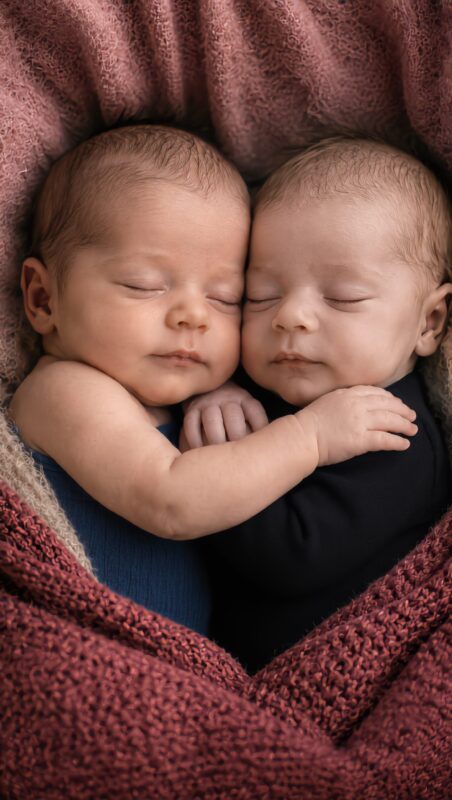
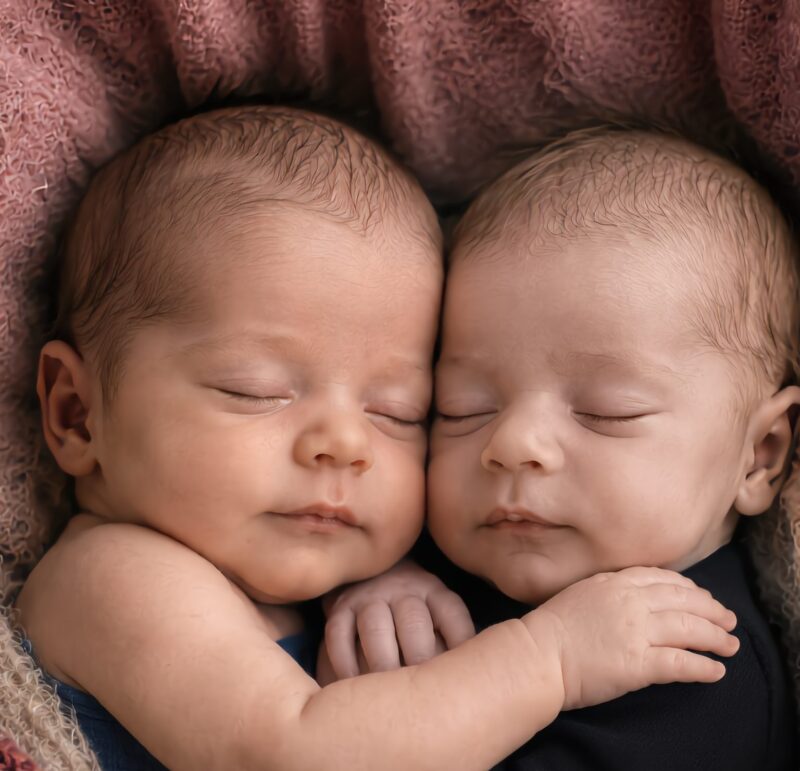
The nurses often found the twins sleeping close together, their tiny fingers wrapped around each other as though neither wanted to let go.
Soon, staff members began referring to them by a special nickname:
The Twin Miracles.
Six weeks later, the sisters were healthy enough to leave the hospital.
Doctors, nurses, and support staff lined the hallway to say goodbye as the Riley family headed home together.
Years passed, but Kylie never lost contact with them.
On the twins’ third birthday, she visited carrying matching bracelets engraved with their names.
The girls raced toward her the moment she arrived.
“Aunt Kylie!”
Their laughter filled the house.
Watching them run through the yard together, Kylie felt overwhelmed with gratitude. The fragile babies she had once worried about were now energetic, healthy children.
Later that evening, Daniel raised a toast to family, resilience, and the people who had stood beside them during their darkest hours.
As everyone celebrated, Megan shared a detail that made Kylie smile.
The twins still refused to fall asleep unless they were holding hands.
Some habits, it seemed, never changed.
Years later, the sisters gave Kylie a handmade picture.
It showed two girls beneath a bright yellow sun, standing side by side and holding hands.
Written underneath were a few simple words:
“Thank you for believing in us.”
Kylie framed the drawing and hung it in her home.
Whenever she looked at it, she remembered that extraordinary night—a night that reminded everyone in the NICU that even in the darkest moments, hope can sometimes appear when it is needed most.